
Cinematographer Andres Arochi was on his way back from filming in Spain when he got the call that Tim Burton would be directing a music video for Lady Gaga and wanted three things: to shoot in Mexico, for the video to look like nothing else in her catalog, and Arochi behind the lens. The “Longlegs” cinematographer jumped on board with the cinema legend, setting out to bring a distinctly Burton twist to Gaga’s “The Dead Dance” video. Shot on the Island of the Dolls in the Xochimilco channels, Arochi paired ARRI Alexa Mini LF with ZEISS Master Primes to create a vivid black and white fable.
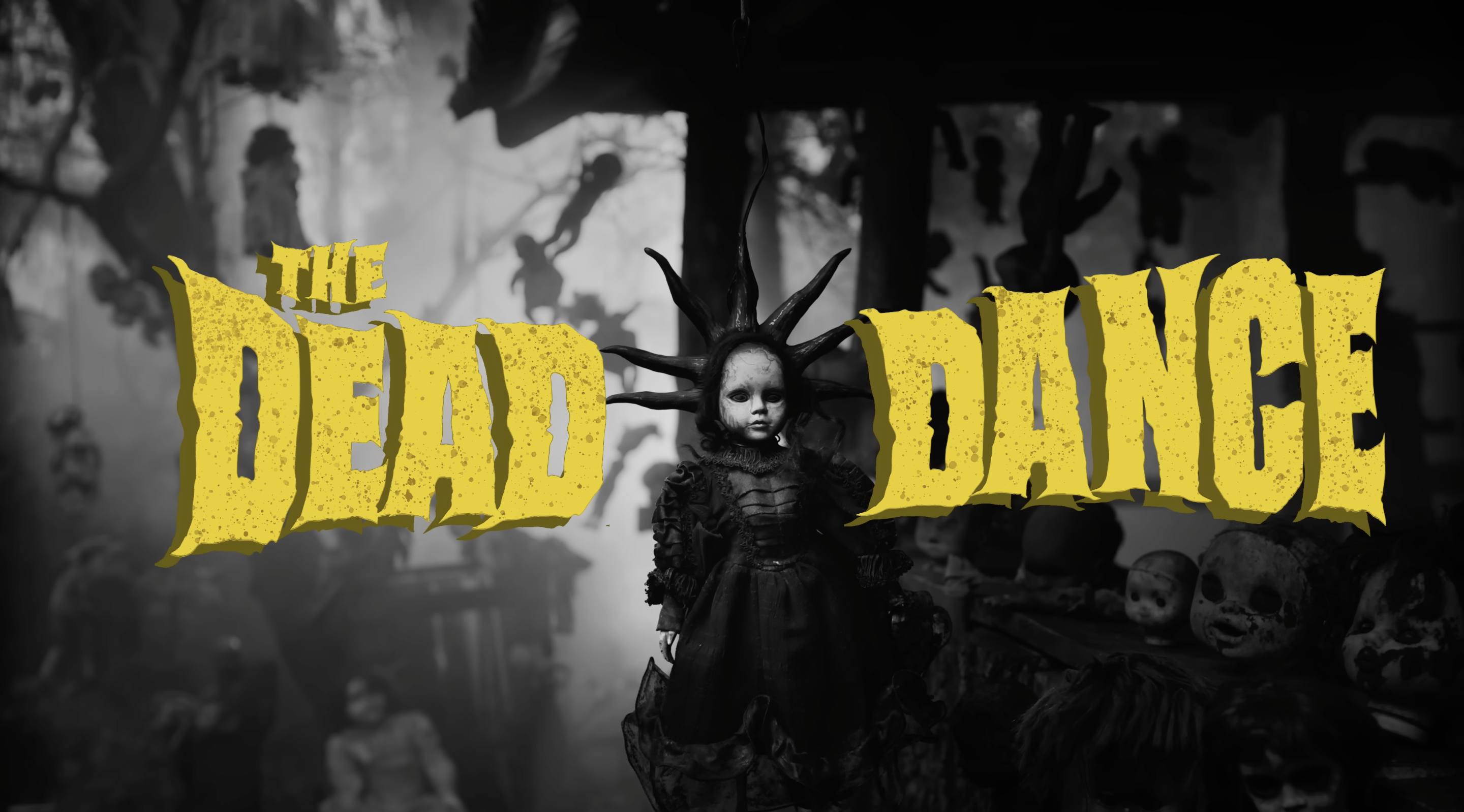 “When I got the call I thought, this can’t be real,” Arochi confides. He didn’t let himself believe it until he landed back home in Mexico to a flood of texts from his camera crew—What lenses are we using? I can’t believe we’re working with Tim Burton! Meeting with the director, there was a lot of room for creativity. Burton had a location in mind, having visited Xochimilco once before, a decade earlier, and never forgotten it. The canal district south of Mexico City is dotted with small, manmade islands—built centuries ago as floating farmland—and one of them has since become known as the Isla de las Muñecas, the Doll’s Island.
An unforgettable visual feast, the Island of Dolls lives up to its name. With a morbid local ghost story to explain its origin, the island is home to a legion of toy dolls. Weathered, waterlogged, and strung up by the hundreds, they turned the island into a ready-made horror set—an unmistakably Burton one. Indeed, on the location scout, the crew were delighted to find a wall of old photographs at the site, and there, in among them, was a picture of Burton himself from that first visit ten years before, standing next to Metallica’s James Hetfield.
“The location has so many colors that it’s hard to make it feel elegant. It could easily become very kitsch,” Arochi explains. He came up with an idea: to shoot in black and white, with a sharp and contrasty look that could go toe-to-toe with a Burton universe. The director loved the idea immediately, and the two started building the visual language together from there.
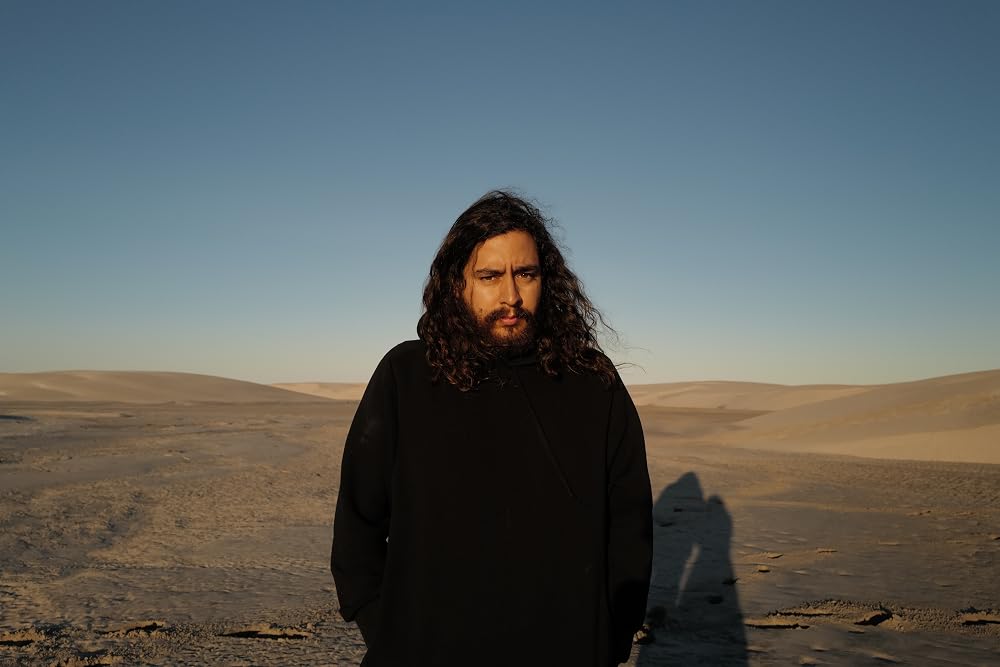
In choosing the camera package, Arochi wanted something that could take a hit of hard, unforgiving light and stay disciplined about it. “I first imagined the light as very strong and old-school,” he says. For that kind of thick shadows against bright, blasted highlights, Arochi needed glass designed to handle contrast. Vintage lenses were off the table because under that much hard light, old glass can start creating unwanted glow and haze. Instead he turned to ZEISS Master Primes to hold the image together, providing crisp sharpness and control without flaring.
The day before Gaga arrived, Arochi and the full crew spent a day on the island alone with Burton, testing dolls, smoke, and a black-and-white LUT built by colorist Mitch Paulson. A popular tourist spot, shooting on the island could be tricky. Turn one way and there’s a beautifully composed frame, turn another and there are public restrooms. Smoke effects were used liberally to disappear whatever the camera wasn’t supposed to see. Once the dolls were lit and the smoke billowing and the LUT was dialed in, Arochi walked over to the monitor where Burton was sitting and watching. “It was already starting to look like a Tim Burton movie,” Arochi recalls. “That’s just the power of him—whatever he chooses and creates has such a powerful aesthetic.”
Gaga arrived the next day with a full choreographed routine prepared and striking porcelain doll-inspired makeup. “It was truly fun to see how talented everyone was,” recalls Arochi. The final music video is a brilliant collision of two distinct sensibilities: the crisp, whimsical austerity of Burton’s black-and-white world set against Gaga’s own brand of theatrical, seductive oddity. Neither aesthetic swallows the other—which is exactly the balance Arochi and his ZEISS Master Primes set out to hold.
“I think the video exploded,” Arochi says now. “With those two names on it, it’s hard for it to not be well received. But I think people really love it, and I love it, too.” Sometimes a project takes years to come together, and sometimes you plant a seed and it’s ready to bloom in less than a week. Arochi’s calm creativity and familiarity with his camera package and the Mexican film community was the the foundation of the shoot.
Watch “The Dead Dance”: https://youtu.be/xGaZBfJOyAc
Read the full interview with Arochi: https://www.zeiss.com/photonics-and-optics/en/cinematography/blog/andres-arochi-brings-master-primes-to-lady-gaga-the-dead-dance-with-director-tim-burton.html